
Every year, countless women face a silent battle they never anticipated. Cervical cancer—a disease preventable with timely intervention—still claims lives due to late diagnosis and a lack of awareness. Imagine a world where a simple screening could save thousands of lives, yet many women miss the opportunity. Let’s talk about why cervical cancer matters, how it develops, and what we can do to stay ahead of it.
What Is Cervical Cancer and How Does It Occur?
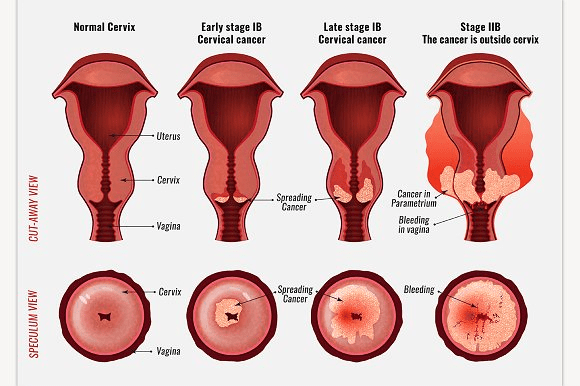
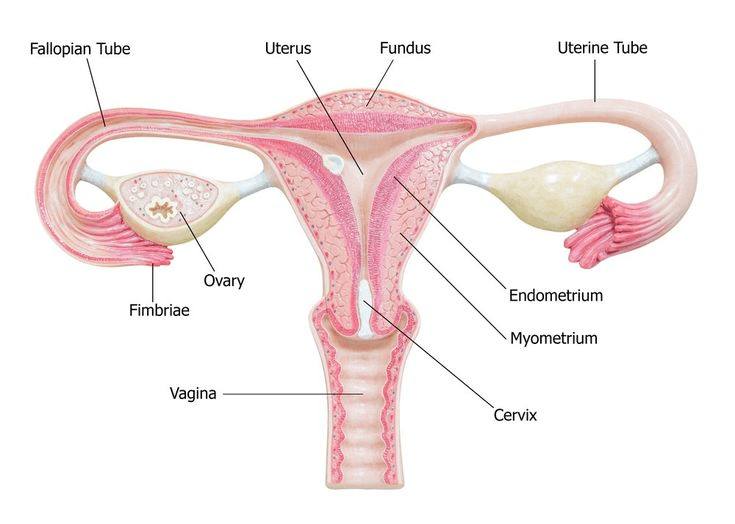
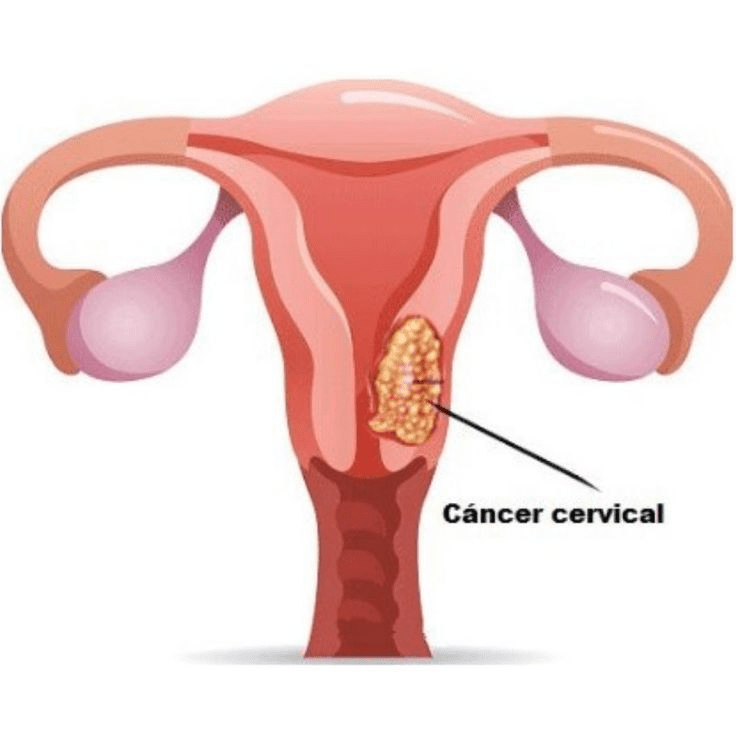
Cervical cancer starts in the cells of the cervix—the lower part of the uterus that connects to the vagina. It occurs when healthy cells in the cervix develop mutations in their DNA. These mutations cause the cells to grow uncontrollably, forming a tumor. Over time, these cancerous cells can spread to other parts of the body if not detected and treated early.
The most common cause? Persistent infection with certain types of human papillomavirus (HPV), a sexually transmitted virus. While HPV infections are common and often resolve on their own, some strains can lead to cellular changes that develop into cancer over the years. Human Papillomavirus (HPV) infections, it contribute to 87.8% – 96.7% of cervical cancer cases
Causes and Symptoms of Cervical Cancer
Causes:
- HPV Infection: High-risk HPV types like HPV-16 and HPV-18 are the leading culprits.
- Smoking: Chemicals in tobacco damage cervical cells, increasing the risk.
- Weakened Immune System: Conditions like HIV can make it harder to fight off HPV infections.
- Multiple Pregnancies: Hormonal changes and cervical trauma can increase vulnerability.
- Long-term Use of Contraceptive Pills: Extended use may slightly raise the risk.
Symptoms to Watch For:
Cervical cancer in its early stages often has no symptoms, which is why regular screenings are crucial. As the disease progresses, you may notice:
- Abnormal vaginal bleeding (after intercourse, between periods, or post-menopause)
- Unusual discharge, sometimes foul-smelling or tinged with blood
- Pelvic pain or discomfort during intercourse
- Persistent lower back or leg pain
If these symptoms sound familiar, don’t wait. Early diagnosis saves lives.
Types and Stages of Cervical Cancer
Types:
- Squamous Cell Carcinoma: Accounts for 90% of cases; originates in the squamous cells lining the cervix.
- Adenocarcinoma: Less common but more challenging to detect; begins in glandular cells.
- Mixed Carcinomas: Contain features of both squamous and glandular cancers.
Stages:
- Stage 0: Precancerous cells are detected (carcinoma in situ).
- Stage I: Cancer is confined to the cervix.
- Stage II: Cancer spreads beyond the cervix to nearby tissues.
- Stage III: Cancer reaches the lower vagina or pelvic wall.
- Stage IV: Advanced cancer spreads to distant organs like the lungs or liver.
Prevention, Cure, and Treatment Options
Prevention:
- Vaccination: The HPV vaccine is a game-changer. Recommended for girls and boys aged 9-26, it protects against the most dangerous HPV strains.
- Regular Screenings: Pap smears and HPV tests can detect early changes, often before cancer develops.
- Safe Practices: Using condoms and limiting the number of sexual partners reduces HPV transmission risk.
- Quitting Smoking: Reducing tobacco use lowers your overall cancer risk.
Treatment:
- Early Stages: Surgical options like a hysterectomy or conization (removal of a cone-shaped tissue sample) are often effective.
- Advanced Stages: Radiation therapy, chemotherapy, or targeted therapy may be required.
- Immunotherapy: Emerging treatments harness the body’s immune system to fight cancer cells.
Lifestyle Changes to Stay Ahead
In our fast-paced lives, prioritizing health often takes a backseat. But small changes can make a big difference:
- Healthy Diet: Incorporate fruits, vegetables, and whole grains to boost immunity.
- Stay Active: Regular exercise reduces stress and strengthens the immune system.
- Regular Check-ups: Make annual gynecological visits non-negotiable.
Real-time example: In a study conducted in India, women who underwent routine Pap smears were 70% less likely to develop advanced cervical cancer compared to those who didn’t. Awareness and access matter.
MedUnited Hospital’s Approach: Transforming Awareness into Action
At MedUnited Hospital – The Best Hospital in Amalapuram, we’re committed to turning the tide against cervical cancer. Our comprehensive care includes:
- Free Awareness Camps: Educating women about HPV, symptoms, and prevention.
- State-of-the-Art Diagnostics: Cutting-edge technology for accurate, early detection.
- Holistic Treatment Plans: Personalized care combining medical expertise with emotional support.
- Community Outreach Programs: Collaborating with schools and workplaces to promote vaccination and screenings.
Final Thoughts
Cervical cancer is preventable, treatable, and beatable—but only if we act. By staying informed, adopting healthy habits, and accessing regular screenings, we can protect ourselves and those we love. Let’s break the silence, spread the word, and make cervical cancer a thing of the past.
Your health is your greatest wealth. Don’t wait—schedule your cervical screening today at MedUnited Hospital. Together, we can transform awareness into action.