

చలికాలం వేడి నీటితో స్నానం చేస్తే.. ఎన్ని నష్టాలో తెలుసా?
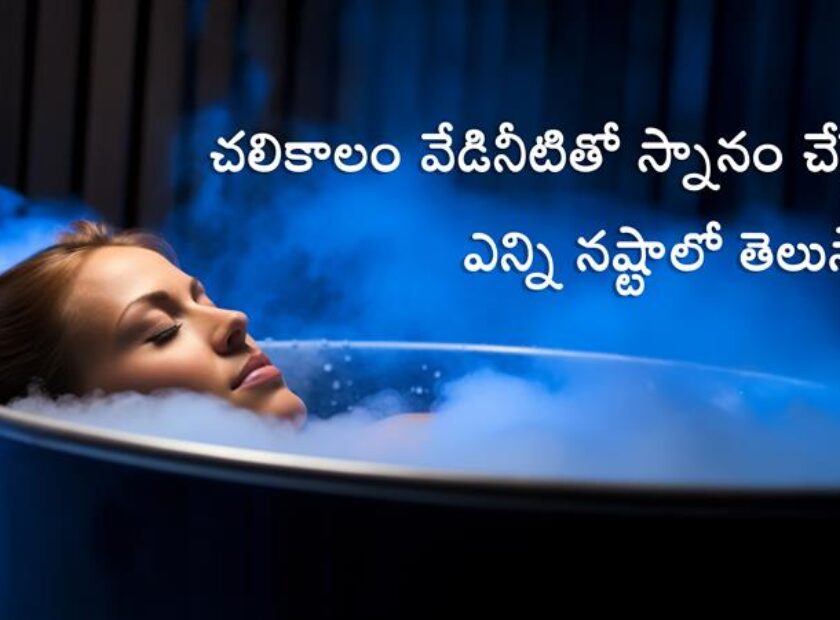
సాధారణంగా చలికాలం వచ్చిందంటే వాతావరణంలో ఉష్ణోగ్రతలు తీవ్రస్థాయిలో పడిపోతుంటాయి. దీంతో చలి తీవ్రత పెరిగి చలికి వణికిపోతుంటారు. చలి తీవ్రస్థాయికి చేరుకున్నప్పుడు ఏ వయసు వారైనా ఇబ్బందులు ఎదుర్కోక తప్పదు. ముఖ్యంగా చలికాలంలో స్నానం చేయాలంటే అందరూ వేడి నీటినే ఉపయోగిస్తుంటారు. ఎందుకంటే.. చలిలో శరీరానికి వేడి తగలగానే ఎంతో హాయిగా అనిపిస్తుంది. అలాగే వేడి అనేది మానసికంగా ఉల్లాసం కలిగిస్తుంది. చలికాలంలో స్నానానికి వేడి నీళ్లు ప్రిఫర్ చేయడం వల్ల శరీరానికి సౌకర్యవంతంగా అనిపిస్తుందేమో గానీ.. వేడి నీళ్లతో స్నానం చేయడం వల్ల అనేక ఆరోగ్య సమస్యలు వచ్చే అవకాశాలు ఉన్నాయని అధ్యయనాలు చెబుతున్నాయి. ఒకవేళ ముందు నుండే ఆరోగ్య సమస్యలు ఉన్నవారు వేడి నీళ్ళని ఉపయోగిస్తే మరిన్ని అనారోగ్య సమస్యలు కొని తెచ్చుకున్నట్లే అవుతుందని నిపుణులు హెచ్చరిస్తున్నారు. అసలు చలికాలంలో వేడినీటితో స్నానం చేయడం వల్ల కలిగే నష్టాలేంటో ఇప్పుడు చూద్దాం! వేడి నీటితో స్నానం చేయడం వల్ల కలిగే లాభాలేంటో చూద్దాం!
ప్రపంచవ్యాప్తంగా ప్రతీ ఏడాది డిసెంబర్ 1న ‘ఎయిడ్స్ డే‘ని సెలబ్రేట్ చేస్తుంటారు.
ప్రపంచవ్యాప్తంగా ప్రతీ ఏడాది డిసెంబర్ 1న ‘ఎయిడ్స్ డే‘ని సెలబ్రేట్ చేస్తుంటారు. ఎయిడ్స్ డే ఉద్దేశం.. HIV పై పోరాటాన్ని గుర్తు చేయడం, ఎయిడ్స్ గురించి ప్రజలకు అవగాహన కల్పించడం, ఎయిడ్స్ బాధితులకు మద్దతుగా నిలవడం మరియు ఎయిడ్స్ కారణంగా మరణించిన వారికి నివాళులు అర్పించడం ‘ఎయిడ్స్ డే‘ యొక్క ముఖ్య ఉద్దేశం. అసలు HIV శరీరంపై ఎలాంటి ప్రభావం చూపిస్తుంది? ‘HIV'(హ్యూమన్ ఇమ్యునో డెఫిషియన్సీ వైరస్) శరీరంలోని రోగనిరోధక వ్యవస్థపై దాడి చేసి.. శరీరం రోగాలతో పోరాడే శక్తిని క్షీణింపజేస్తుంది. HIV వైరస్ సోకే కారణాలు.. ఇండియాలో HIV/AIDS కేసులు (2023లో) ఇండియాలో మొత్తం యాక్టీవ్ కేసులు 25,00,000 ఉన్నట్లు UNAIDS గణాంకాలు చెబుతున్నాయి. 15 ఏళ్లు పైబడిన మహిళలు 11 లక్షల మంది 15 ఏళ్ళు పైబడిన పురుషులు 13 లక్షలకు పైగా.. 0-14 ఏళ్ళ పిల్లలు 61000 మంది ఉన్నారని యూఎన్ఏఐడిఎస్ తెలిపింది. ఇండియా/తెలుగు రాష్ట్రాలలో ఎయిడ్స్ గణాంకాలు?(2021 వరకు) నేషనల్ ఎయిడ్స్ కంట్రోల్ ఆర్గనైజషన్(NACO) అంచనాల ప్రకారం.. 2021లో భారతదేశంలో మొత్తం 24,01,284 మంది హెచ్ఐవి బాధితులు ఉన్నారు. అత్యధికంగా మహారాష్ట్రలో 3,94,077 కేసులు ఉండగా.. అత్యల్పంగా అండమాన్ నికోబర్ 426, సిక్కిం 468 రాష్ట్రాలలో కేసులు ఉన్నాయి. ఇక ఆంధ్రప్రదేశ్ లో 3,21,028, తెలంగాణలో 1,55,991 మంది బాధితులు ఉన్నట్లు తెలిపింది. NACO డాటా ప్రకారం, దేశవ్యాప్తంగా 2011-2021 మధ్య అన్ప్రొటెక్టెడ్ సె*క్స్(రక్షణ లేని) కారణంగా దాదాపు 17,08,777 మంది హెచ్ఐవీ బారినపడ్డారు. వీరిలో అత్యధికంగా ఏపీలో 3,18,814 హెచ్ఐవీ కేసులు నమోదు కాగా, మధ్యప్రదేశ్ (2,84,577), కర్ణాటక (2,12,982), తమిళనాడు (1,16,536) తర్వాత స్థానాల్లో ఉన్నాయి. 2021 వరకు ఇండియాలో ఎయిడ్స్ కారణంగా 41,968 మరణాలు నమోదు కాగా.. గడిచిన పదేళ్లలో(2011 – 2021) ఎయిడ్స్ మరణాలు 76.5% తగ్గినట్లు NACO తెలిపింది. ప్రపంచవ్యాప్తంగా చూసుకుంటే.. 2021 వరకు ప్రపంచవ్యాప్తంగా 3.8 కోట్లకు పైగా హెచ్ఐవీ బాధితులు ఉన్నట్లు WHO గణాంకాలు చెబుతున్నాయి. ఎయిడ్స్ కారణంగా 6,50,000 మరణాలు నమోదు అయినట్లు ప్రపంచ ఆరోగ్య సంస్థ(WHO) తెలిపింది. HIV వ్యాప్తికి తీసుకోవాల్సిన చర్యలు.. HIV ని నివారించడానికి కాలానుగుణంగా ఆధునిక పద్ధతులు కూడా ఎంతో అవసరం. ఇప్పటికీ సరైన పరిశోధన, పర్యవేక్షణ లేదు. 2000 నుండి 2010 వరకు ఎలాంటి పద్ధతులు పాటించారో.. ఇప్పటికీ అవే పద్ధతులు పాటిస్తున్నారని నిపుణులు చెబుతున్నారు. ఇక్కడే అర్ధం చేసుకోవచ్చు హెచ్ఐవి విషయంలో జనాలు ఎంతవరకు అప్డేట్ అయ్యారో! కాబట్టి.. హెచ్ఐవి నివారణ పద్ధతులు అప్డేట్ చేయాల్సిన అవసరం ఎంతైనా ఉంది. చికిత్స లేదు కాబట్టి కనీస జాగ్రత్తలు.. ఇప్పటిదాకా ‘హెచ్ఐవి కి చికిత్స లేదు. దీనికి నివారణ ఒక్కటే మార్గం‘ఇక యాంటీరెట్రోవైరల్ థెరపీ(ART) ద్వారా వైరస్ ప్రభావాన్ని తగ్గించవచ్చు. దీనికి వైద్యుల సలహా మేరకు యాంటీరెట్రోవైరల్ మందులు(ARD) వాడటం మంచిదని విశ్లేషకులు చెబుతున్నారు.
శీతాకాలం ఆరోగ్య సంరక్షణకు 10 చిట్కాలు
చలికాలం వచ్చిందంటే చాలు.. ఒంట్లో ఉన్న అనారోగ్య సమస్యలన్నిటికీ రెక్కలు వచ్చేస్తాయి. మాహిష్మతి ఊపిరి పీల్చుకో అమరేంద్ర బాహుబలి వచ్చాడు అన్నట్లుగా… చలికాలం వ్యాధులు కూడా మూకుమ్మడిగా శరీరంపై దాడి చేసేందుకు సిద్ధమవుతుంటాయి. ముఖ్యంగా జలుబు, గొంతు పట్టేయడం, శ్వాసకు సంబంధించి సమస్యలు ఎక్కువగా ఇబ్బంది కలిగిస్తాయి. మరి శీతాకాలం ఇలాంటి అనారోగ్య సమస్యలు మనల్ని దరిచేరకుండా ఉండాలంటే కొన్ని తప్పక పాటించాల్సిన జాగ్రత్తలు ఉన్నాయి. అదే విధంగా ఆహారపు అలవాట్లలో మార్పులు, క్రమం తప్పకుండా వ్యాయామం, ఉన్ని దుస్తులు ధరించడం, పొగ మంచు సమయంలో జాగ్రత్తగా ఉండటం అలవరచుకుంటే మంచిదని నిపుణులు చెబుతున్నారు. చలి గాలులు వీచేటప్పుడు, పొగమంచు కురిసే వేళల్లో బయటికి వెళ్లకుండా ఉండాలి. చలి తీవ్రతని బట్టి ఉన్ని దుస్తులతో శరీరాన్ని, ముఖ్యంగా ముక్కు, చెవులను కవర్ చేసుకోవాలి. చలి ప్రభావం కూడా ఎక్కువగా ముఖం, పెదాలు, పాదాలపై ఉంటుంది. ఈ విధంగా చలికాలంలో ఏర్పడే ఆరోగ్య సమస్యలు ఏంటి? వాటి నుండి ఎలా బయటపడాలి? అనే విషయాన్ని ఇప్పుడు చూద్దాం! తరచూ చర్మం పొడిబారడం: చలికాలంలో చర్మ సంరక్షణ ఎంతో అవసరం. చర్మం జిడ్డు, తేమగా ఉండేవారికంటే పొడి చర్మం గల వారికే ఎక్కువ సమస్యలు వస్తుంటాయి. చర్మం పొడి బారడం మొదలైందంటే.. పగుళ్లు ఏర్పడే అవకాశం ఉంది. అందుకోసం పొడి చర్మం గలవారు రోజూ ఉదయం గోరువెచ్చని నీటిలో కొంచం కొబ్బరినూనె లేదా ఆలివ్ ఆయిల్ చుక్కలు వేసుకొని స్నానం చేస్తే మంచిది. చర్మంపై సబ్బుల ప్రభావం: చలికాలంలో రెగ్యులర్ గా వాడే సబ్బుల కంటే గ్లిజరిన్ సబ్బులు వాడటం మంచిదని నిపుణులు సలహా. మాయిశ్చరైజర్లు: చలికాలంలో ముఖం అందంగా, కాంతివంతంగా మెరవాలంటే.. విటమిన్-E కలిగిన మాయిశ్చరైజర్లు ఉపయోగిస్తే ఫలితం ఉంటుంది. రాత్రి నిద్రపోయే ముందు కాళ్లు, చేతులకు వేజలైన్ లేదా కొబ్బరి నూనె రాసుకొని, పాదాలకు సాక్సులు ధరించాలి. అలాగే వారానికి ఒకసారి గోరువెచ్చని నూనెతో మసాజ్ చేసుకుంటే చర్మం సురక్షితంగా ఉంటుంది. వ్యాయామం చేయాలి: చలికాలంలో నిద్ర లేవడానికి బద్ధకంగా అనిపిస్తుంది. కొన్నిసార్లు నిద్ర లేచాక కండరాలు పట్టేసినట్లు ఉంటుంది. అలా కాకుండా ఎల్లప్పుడూ హుషారుగా ఉండాలంటే వ్యాయామం, యోగ, వాకింగ్ లాంటివి చేస్తే మంచిదని అంటున్నారు. వ్యాయామం చేయడం వల్ల ఒంట్లో రక్త ప్రసరణ మెరుగవుతుంది. నీళ్లు ఎక్కువగా తాగాలి: చలికాలంలో పదేపదే మూత్రం వస్తోందని నీరు తాగడం ఆపేస్తుంటారు. అలా చేయడం మీ ఆరోగ్యానికి ఎంత మాత్రం మంచిది కాదని అంటున్నారు నిపుణులు. నీరు తక్కువ తాగడం వల్ల శరీరంలో నీటి శాతం తగ్గిపోయి చర్మం పొడిబారడం మొదలవుతుంది. అలాగే జీర్ణ సమస్యలు కూడా ఏర్పడే అవకాశం లేకపోలేదు. కాబట్టి కాలం ఏదైనా నీరు తాగడం మాత్రం తగ్గించవద్దు. వెల్లులి చేసే మేలు: చలికాలంలో సాధారణంగా శరీరంలో వ్యాధి నిరోధక శక్తి తగ్గిపోతుంది. ఇలాంటి సమయాలలో వ్యాధుల బారిన అవకాశం ఎక్కువగా ఉంటుంది. అలా కాకూడదు అంటే.. మీరు తినే ఆహారంలో సిట్రస్ జాతికి చెందిన పండ్లు ఎక్కువగా తీసుకోండి. అలాగే వెల్లుల్లి కూడా చాలా హెల్ప్ చేస్తుంది. తీసుకునే ఆహారం: చలికాలంలో ఆహారాన్ని తీసుకునే ముందు చేతులను పరిశుభ్రంగా ఉంచుకోవడం మంచిది. వేడి వేడి ఆహారం తీసుకుంటూ శీతల పానీయాలకు దూరంగా ఉండటం ఆరోగ్యానికి అవసరం. ముఖ్యంగా జంక్ ఫుడ్ ని బాగా ఇష్టపడుతుంటారు. అలాంటివారు జంక్ ఫుడ్ వల్ల మధుమేహం, ఊబకాయం లాంటి దీర్ఘకాలిక వ్యాధుల బారినపడే అవకాశం ఉంది. అలాగే ఐస్ క్రీంలు, కూల్ డ్రింక్స్ కి పిల్లలను దూరంగా ఉంచాలి. పరిశుభ్రత తప్పనిసరి: చలికాలం ఇంటి చుట్టూ పరిసరాలను ఎప్పటికప్పుడు శుభ్రంగా ఉంచుకోవాలి. ముఖ్యంగా దీర్ఘకాలిక వ్యాధులతో బాధపడుతున్నవారు, ఇంట్లో చిన్న పిల్లలు ఉన్నవారు మరింత జాగ్రత్తగా ఉండాలి. సరైన నిద్ర: ఏ కాలంలోనైనా మనిషికి సరైన నిద్ర అనేది చాలా అవసరం. వయసును బట్టి ఎన్ని గంటలు నిద్రపోతే ఆరోగ్యానికి మంచిదని ఆరోగ్య నిపుణులు సూచిస్తుంటారు. ముఖ్యంగా సరైన నిద్ర శరీరంలో టాక్సిన్స్ ని తొలగించడంలో సహాయపడుతుంది. కాబట్టి.. చలికాలంలో నిద్రకు కూడా ప్రాధాన్యత తప్పనిసరి అని విశ్లేషకులు చెబుతున్నారు. టీ – కాఫీలు తగ్గించాలి: వాతావరణం చల్లగా ఉందంటే.. చాలామంది ఎక్కువగా కాఫీ, టీలు తాగుతుంటారు. వాటి వల్ల శరీరంలో కెఫిన్ మోతాదు పెరిగి డీ హైడ్రేషన్, నిద్ర లేమి, ఆందోళన వంటి సమస్యలు వచ్చే అవకాశం ఉందని ఆరోగ్య నిపుణులు చెబుతున్నారు.
Mpox: Understanding the Disease and Its Global Impact
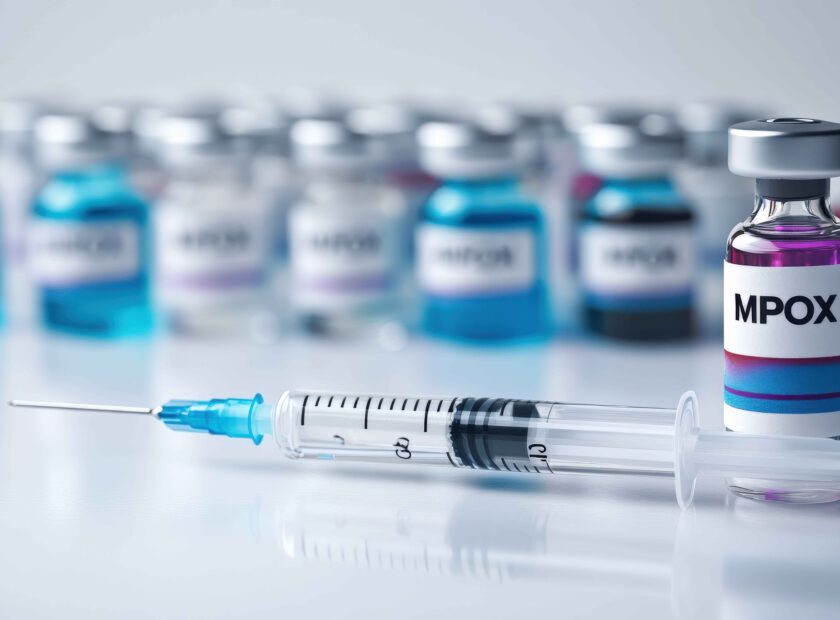
What is Mpox? Mpox is a viral zoonotic disease caused by the Mpox virus, which is closely related to the variola virus—the virus responsible for smallpox. Initially identified in 1958 among laboratory monkeys, the first human cases were reported in the Democratic Republic of the Congo in 1970. The disease typically manifests with symptoms such as fever, rash, and swollen lymph nodes, often resembling those of smallpox. However, Mpox is generally less severe and has a lower mortality rate. The Mpox virus is primarily transmitted from animals to humans, but it can also spread through human-to-human contact. This transmission can occur via respiratory droplets, direct contact with bodily fluids or lesions, and contaminated materials. Recent Outbreaks Mpox gained international attention when outbreaks occurred outside endemic regions, notably in Europe and North America. In 2022, a significant surge in cases highlighted the urgent need for effective public health responses, as concerns about its similarity to smallpox grew. WHO Prequalifies First Mpox Vaccine On September 13, 2024, the World Health Organization (WHO) prequalified the MVA-BN vaccine, a crucial milestone in preventing Mpox outbreaks. This pre-qualification ensures the vaccine meets global standards for safety, quality, and efficacy, facilitating its distribution, particularly in regions with limited healthcare access. Originally used in smallpox vaccination efforts, the MVA-BN vaccine has been adapted to combat Mpox. Clinical trials demonstrated its effectiveness in reducing both the severity and transmission of the virus. Causes and Transmission Mpox is primarily found in Central and West Africa, where it is endemic among certain animal populations. Rodents are considered the primary reservoir of the virus, but other animals, including monkeys and squirrels, can also harbour it. Human infections often occur following direct contact with infected animals, their bodily fluids, or lesions. Human-to-human transmission has been observed, particularly in close-contact settings, which raises concerns for outbreaks, especially in regions with lower immunity to the virus. Notably, during the recent surge in cases, a significant number of infections were reported among individuals with no recent travel history to endemic areas, suggesting that the virus can spread more widely than previously understood. Impact and Vaccination Efforts The MVA-BN vaccine brings hope to high-risk populations, especially in endemic areas. By targeting healthcare workers and close contacts of infected individuals, global vaccination efforts can significantly reduce Mpox transmission. The WHO’s approval of this vaccine is a vital step toward controlling outbreaks and ensuring access to immunisation in low-resource regions. Conclusion The prequalification of the MVA-BN vaccine by the WHO marks a significant advancement in the global fight against Mpox. As public health agencies continue to respond to rising case numbers, this vaccine offers a vital tool in curbing the spread of the virus and protecting vulnerable populations. By ensuring access to immunisation, particularly in endemic regions, the global community can work towards controlling Mpox outbreaks and safeguarding public health. With continued vigilance and effective vaccination strategies, we at Medunited Hospitals – The best hospital in Amalapuram,can turn the tide against this zoonotic disease and improve health outcomes for at-risk individuals worldwide.
World Patient Safety Day 2024: Engaging Patients for Safer Healthcare
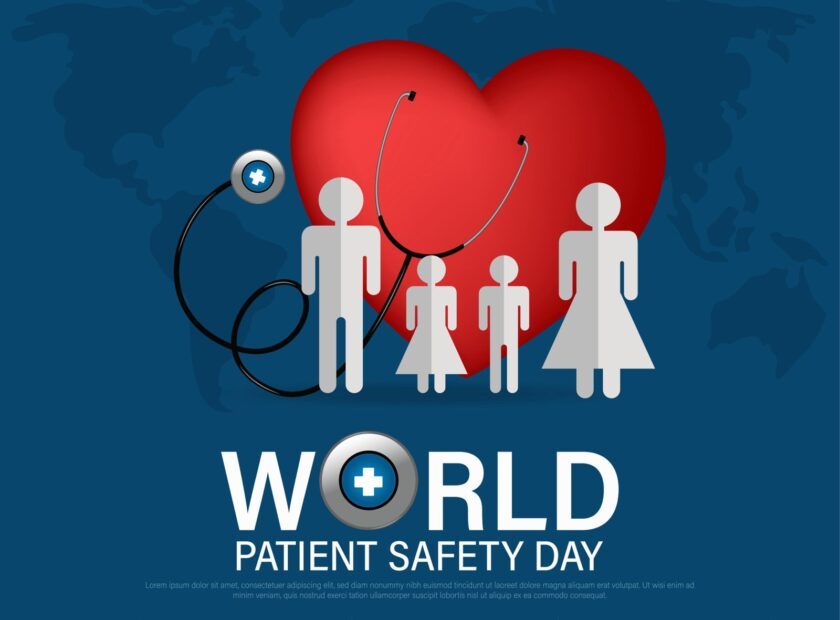
On September 17th, 2024, the global healthcare community observes World Patient Safety Day, emphasizing the theme: “Engaging Patients for Patient Safety.” This year’s focus highlights the vital role patients play in ensuring safe healthcare delivery by actively participating in their care. Why Patient Safety Matters Patient safety is a critical issue worldwide. Unsafe healthcare practices lead to millions of deaths annually, making it a pressing global concern. According to the World Health Organization (WHO), about 134 million adverse events occur in hospitals every year, leading to 2.6 million deaths, primarily in low- and middle-income countries. These staggering numbers call for a collective effort to enhance safety in healthcare systems. The Power of Patient Engagement The 2024 theme emphasizes patient engagement as a key factor in preventing errors and improving care outcomes. When patients are informed and involved in their treatment, they help healthcare providers make safer decisions. Engaged patients lead to: Key Focus Areas for 2024 How Patients Can Contribute to Safety Patients are crucial to the safety equation. Here’s how they can contribute: Conclusion This World Patient Safety Day, let’s remember that patient safety is everyone’s responsibility. By fostering a culture of collaboration and engaging patients in their care, we can create a safer, more reliable healthcare system. Together, at MedUnited Hospitals – The Top Hospital in Amalapuram, we can reduce risks and ensure better outcomes for all. Join the global movement for safer healthcare! #WorldPatientSafetyDay2024
The Rise of Exclusive Breastfeeding in India: A Journey Towards Healthier Beginnings
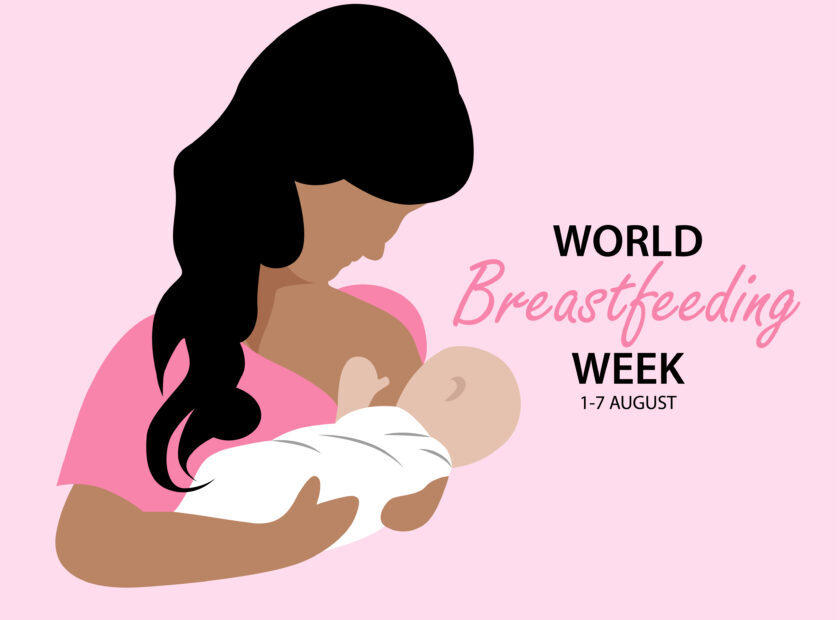
As we celebrate World Breastfeeding Week, it’s time to shine a spotlight on the remarkable progress India has made in promoting exclusive breastfeeding. Recent data from the National Family Health Surveys (NFHS) reveals an inspiring trend that’s transforming the landscape of infant nutrition across the country. The Power of Mother’s Milk Before we dive into the numbers, let’s remind ourselves why exclusive breastfeeding matters. The World Health Organization (WHO) recommends that infants receive only breast milk for the first six months of life. This golden nectar isn’t just food; it’s a powerhouse of nutrients, antibodies, and love that sets the foundation for a child’s lifelong health. Exclusive breastfeeding has been shown to: A Tide of Positive Change Now, let’s look at the exciting progress India has made: This increase of nearly 12 percentage points in just a few years is no small feat. It represents millions more babies getting the best possible start in life. What’s Driving the Change? Our analysis reveals some fascinating insights into what’s fueling this positive trend: Challenges on the Horizon While the overall trend is positive, our data also reveals areas where more support is needed: The Road Ahead To build on this progress and address remaining challenges, we recommend: A Call to Action As we celebrate the progress made, let’s remember that every percentage point increase represents thousands of babies getting a healthier start in life. Whether you’re a healthcare provider, policymaker, employer, or community member, you have a role to play in supporting breastfeeding mothers. This World Breastfeeding Week, let’s renew our commitment to creating a society where every mother who chooses to breastfeed has the support and resources she needs to do so successfully. Together, we can nurture a healthier, stronger future for India’s children. Remember, breast milk isn’t just food – it’s a baby’s first vaccine, a mother’s first gift, and nature’s perfect formula for a healthy start in life. Let’s continue to make exclusive breastfeeding the norm, not the exception, in India.
World Lung Cancer Day: Understanding the Challenges and Finding Solutions
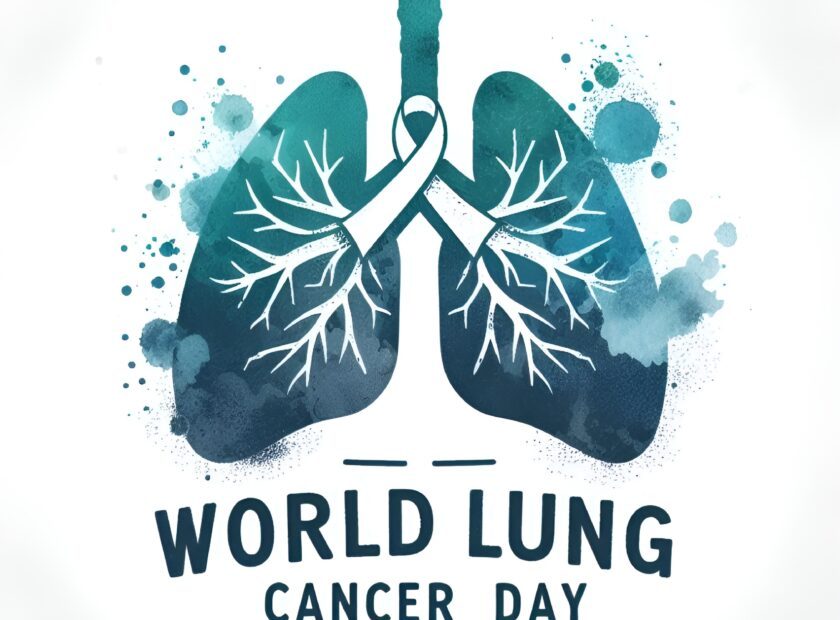
World Lung Cancer Day, observed annually on August 1st, is a day dedicated to raising awareness about lung cancer, the leading cause of cancer deaths worldwide. This day serves as a reminder of the significant challenges faced by those affected by this disease and emphasises the need for continued research, support, and preventive measures. In this article, we will delve into the problem statements, reality checks, and actual struggles associated with lung cancer, followed by solutions and preventive strategies. Problem Statements Reality Checks Actual Struggles Solutions and Preventions Conclusion World Lung Cancer Day is an opportunity to reflect on the significant challenges posed by lung cancer and to reaffirm our commitment to finding solutions. By raising awareness, promoting early detection, improving access to care, and supporting ongoing research, we can make strides in reducing the impact of this devastating disease. Together, we can support those affected by lung cancer and work towards a future where fewer lives are lost to this illness.
Understanding World Hepatitis Day: Raising Awareness and Promoting Health
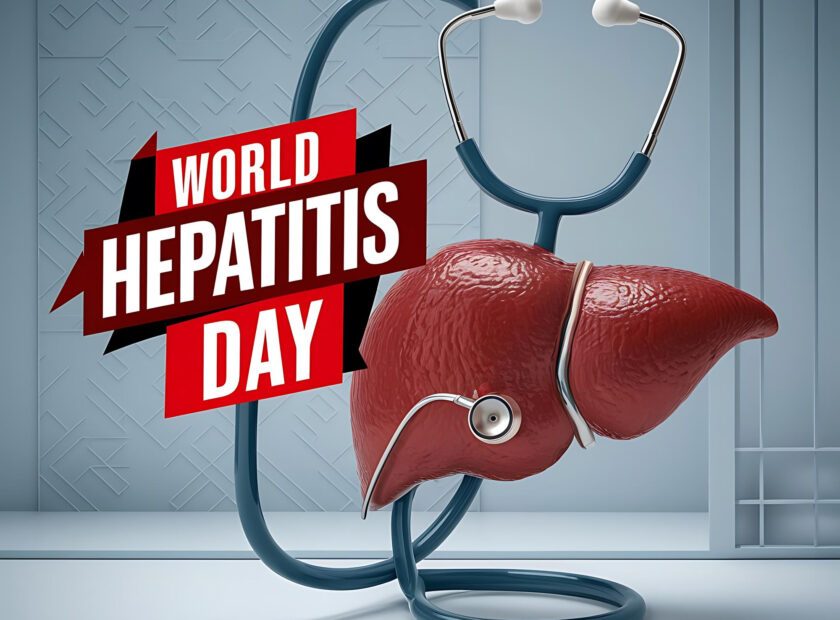
Every year on July 28th, World Hepatitis Day is observed to raise global awareness about hepatitis, a group of infectious diseases known as Hepatitis A, B, C, D, and E. This day aims to promote understanding of the disease, encourage prevention, diagnosis, and treatment. This blog will provide an insightful look into hepatitis, emphasising lifestyle changes and the importance of vaccination. What is Hepatitis? Hepatitis refers to inflammation of the liver, often caused by viral infections. It can also result from toxins, medications, and certain medical conditions. The most common types of viral hepatitis are Hepatitis A, B, and C. Symptoms and Diagnosis Hepatitis can manifest with a variety of symptoms, including jaundice (yellowing of the skin and eyes), fatigue, abdominal pain, loss of appetite, and nausea. Diagnosis often involves blood tests to detect the presence of hepatitis viruses and assess liver function. The Importance of Vaccination Vaccination is a crucial tool in preventing hepatitis. Vaccines are available for Hepatitis A and B, providing long-term protection. Lifestyle Changes to Prevent Hepatitis Beyond vaccination, adopting certain lifestyle changes can significantly reduce the risk of contracting hepatitis: Conclusion World Hepatitis Day serves as a vital reminder of the importance of understanding and preventing hepatitis. Through vaccination and lifestyle changes, we can significantly reduce the incidence of this disease and promote liver health. Whether you’re looking to expand your knowledge or a patient seeking to stay informed, recognizing the significance of hepatitis awareness is a step towards a healthier future. By staying informed, getting vaccinated, and making conscious lifestyle choices, we can work together to combat hepatitis and ensure a healthier world for all.
Embracing Holistic Health on this World Health Day : Nurturing Your Body, Mind, and Soul
In the hustle and bustle of modern life, it’s easy to get caught up in the daily grind and neglect our well-being. But what if I told you that achieving optimal health goes beyond just physical fitness? Welcome to the world of holistic health – a journey that encompasses the nurturing of your body, mind, and soul. Holistic health is about taking a comprehensive approach to wellness, recognizing that our physical, mental, and emotional states are deeply interconnected. It’s about viewing ourselves not as a collection of separate parts, but as a harmonious whole. At its core, holistic health emphasises the importance of balance. It’s about finding equilibrium in every aspect of our lives – from the food we eat and the exercise we do, to the thoughts we think and the relationships we nurture. Nurturing Your Physical, Mental & Inner well-being Let’s start with the body. Physical health is undoubtedly crucial, but it’s not just about hitting the gym or following the latest fad diet. It’s about nourishing ourselves with wholesome foods, staying active in ways that bring us joy, and listening to our bodies’ signals with compassion and care. But holistic health doesn’t stop there. Our mental well-being is equally essential. In a world filled with stress and pressure, it’s vital to prioritize activities that promote mental clarity and emotional resilience. Whether it’s through meditation, mindfulness, or creative expression, finding moments of peace and serenity can work wonders for our overall health. And let’s not forget about the soul. While it may seem intangible, our spiritual well-being plays a significant role in our holistic health journey. Whether you find solace in nature, connect with your spiritual beliefs, or cultivate gratitude through daily practices, nurturing your soul is an integral part of achieving true wellness. So, how can you embark on your own journey towards holistic health? Start by tuning into your body’s needs, listening to your inner voice, and embracing practices that nourish your body, mind, and soul. Remember, there’s no one-size-fits-all approach – what works for one person may not work for another. It’s about finding what resonates with you and creating a lifestyle that supports your overall well-being. Every Step Counts: Small Actions, Big Impact In the pursuit of holistic health, every small step counts. Whether it’s choosing a nutritious meal over fast food, taking a few minutes to meditate each day, or prioritising quality time with loved ones, each decision brings you closer to a more balanced and fulfilling life. So, as we celebrate World Health Day, let’s pledge to embrace holistic health – not just for ourselves, but for the well-being of our communities and our planet. Together with MedUnited let’s nourish our bodies, nurture our minds, and feed our souls. After all, when we take care of ourselves holistically, we pave the way for a healthier, happier world for us all
Kidney Transplants: A New Chance at Life
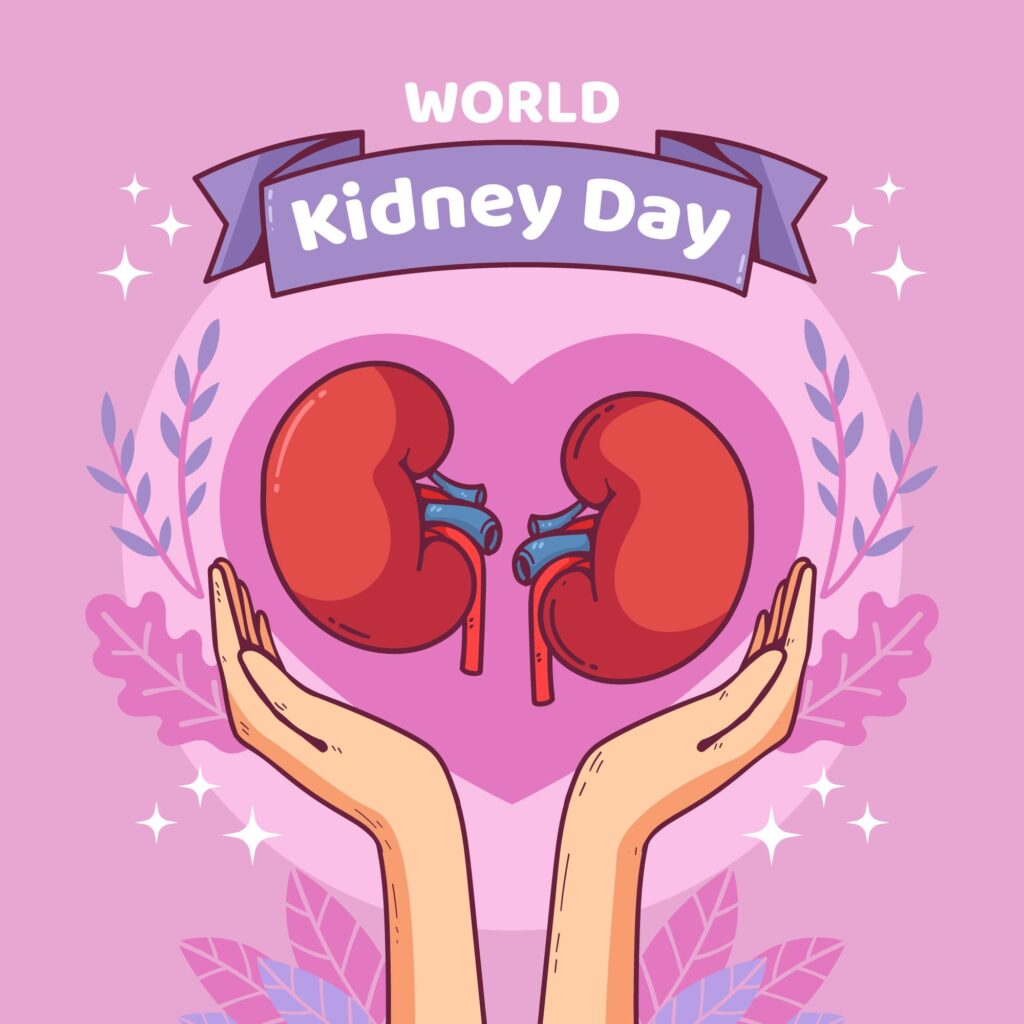
If you or someone you love has kidney disease, you know how tough it can be. But there’s hope: kidney transplants can change lives for the better. Let’s take a look at why kidney transplants are such a big deal and what the process involves. What’s the Big Deal?When your kidneys don’t work well anymore, it can be really hard on your body. But a kidney transplant can give you a new kidney that works like it should. This means you can say goodbye to dialysis and hello to feeling better and having more energy. The Transplant ProcessGetting a kidney transplant isn’t a quick fix – it takes time and lots of tests. First, you’ll need to find a match for your new kidney. This can come from a family member, a friend, or someone who has donated their kidney after they pass away. Once you find a match, you’ll have surgery to put the new kidney in your body. It sounds scary, but doctors do this kind of surgery all the time, and they’ll take good care of you. Who Can Get a Transplant?Not everyone can get a kidney transplant. You need to be healthy enough to handle the surgery and strong enough to take care of your new kidney afterward. Doctors will do lots of tests to make sure you’re a good fit for a transplant. They’ll also make sure you have support from family and friends to help you recover. After the TransplantOnce you have your new kidney, you’ll need to take good care of it. That means taking medicine to keep your body from rejecting the new kidney and going to check-ups with your doctor regularly. You’ll also need to eat healthy and stay active to keep your new kidney working well. Conclusion: A New Lease on LifeA kidney transplant can change your life for the better. It means saying goodbye to dialysis and hello to feeling better and having more energy. If you think a kidney transplant might be right for you, talk to your doctor. They can help you figure out if it’s the right choice and guide you through the process. With a new kidney, the future looks brighter – and healthier – than ever before.